
Labelling the naming game
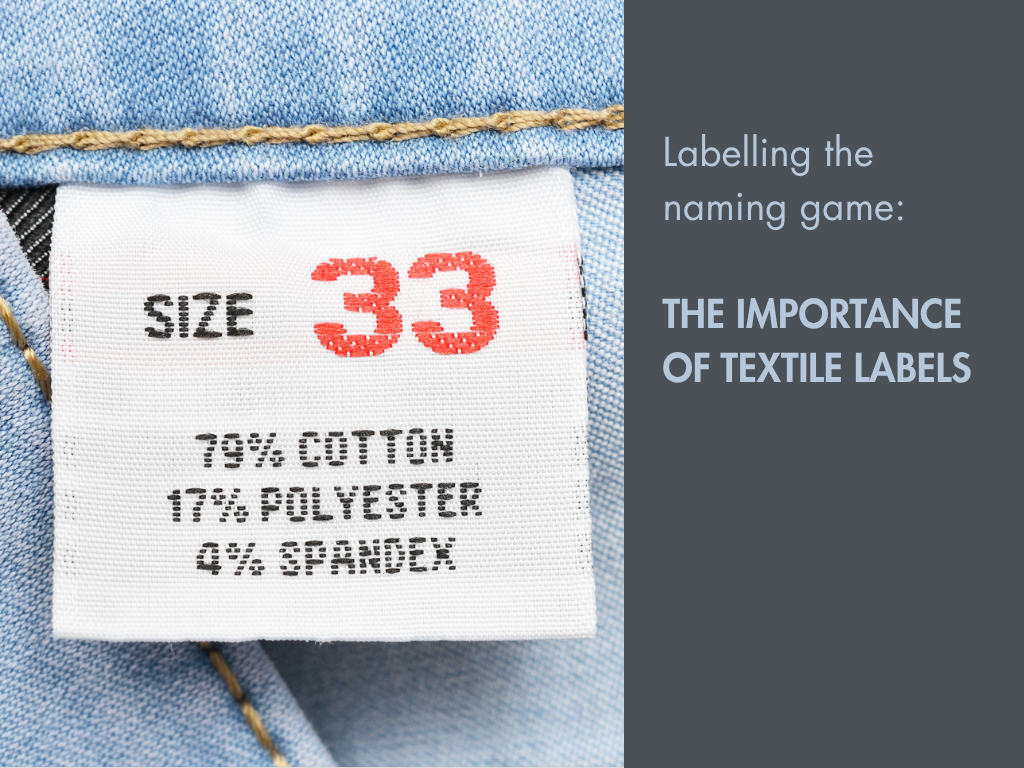
The European Commission has been diligently working to revolutionise the economic and environmental impact of textile fibre recycling. Their efforts involve establishing a strong foundation for the European textile industry, encompassing producers, consumers, and waste management, with a particular focus on transforming waste management practices and reevaluating import and production requirements.
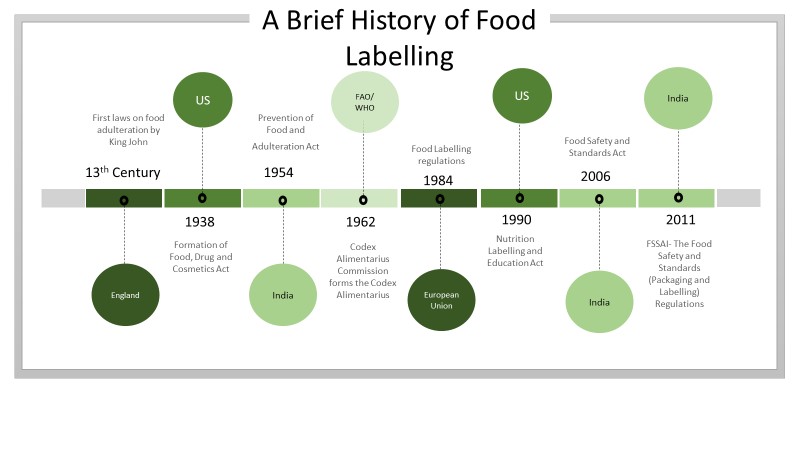
One crucial aspect among the numerous initiatives is the implementation of labelling systems. Looking back at the historical timeline, we find that labelling practices trace their roots back to England in the 1200s. However, it took a considerable amount of time for the world to unite under a standardised labelling system, especially for sensitive products like meat. Often, humanity only takes decisive action when faced with extraordinary disasters, such as the infamous case of mad cow disease. Such incidents compel us to demand certainties about the safety of our food before consumption, to ensure our well-being and avoid potential harm.
 Although textile is undoubtedly distant from these nightmares, the Commission rightly believes that burning clothes is not the optimal solution. We are currently facing the impacts of climate change, which affects us all profoundly, and it’s essential to improve air quality.
Back in March 2022, the European Commission introduced a sustainable and circular textiles strategy. The main goal is to encourage producers to be more transparent by providing information about the materials used in garments and to address the issue of plastic pollution. It is alarming that approximately 8% of European microplastics released into the oceans come from synthetic textiles, with a global estimate of 16-35%. Annually, between 200,000 and 500,000 tons of microplastics from textiles enter the marine environment worldwide. Most of this pollution occurs during the initial washes of synthetic textiles, and fast fashion plays a significant role due to its short-term use and low-quality nature, leading to rapid wear and tear.
According to the European Environment Agency, textile consumption in Europe ranks fourth in terms of environmental impact, trailing behind food, housing, and transport. This emphasises the urgent need to address the environmental footprint of the textile industry and implement sustainable changes.
The Commission aims to address this issue by introducing a new labelling system that will compel producers to offer recyclable fibres, free of hazardous substances, and environmentally friendly products to the market. The concept of Product Environmental Footprint (PEF) was initially proposed by the European Commission (EC) in April 2013 as part of the Building a Single Market for Green Products Initiative. Collaborating with industry experts and private companies, the EC developed a methodology to express a product’s environmental impact in a standardised manner, allowing consumers to make informed decisions during their purchases.
The PEF utilises life cycle assessment (LCA) data to evaluate the environmental impact of materials.
The upcoming EU label system, which is still under development, will incorporate numerous additional requirements beyond those already in existence such as those here listed below:
- be durable, easily legible, visible, accessible, and securely attached.
- give an indication of the fibre composition.
- use only the textile fibre names listed in the Regulation for the description of fibre compositions.
- indicate by using the phrase ‘Contains non-textile parts of animal origin’ in case any presence of non-textile parts of animal origin in the textile products.
- use native language of the member state in which the textiles are sold.
The European Environmental Agency (EEA) acknowledges that natural fibres, like wool or cotton have superior durability and have a lower impact in the environment both during the use and its end of life, compared to synthetic fibres. Wool has qualities, such as odour or wrinkle resistant, leading to less washing and longer usage. This saves water, energy, detergent, and looks more “new” than other types of fibres.
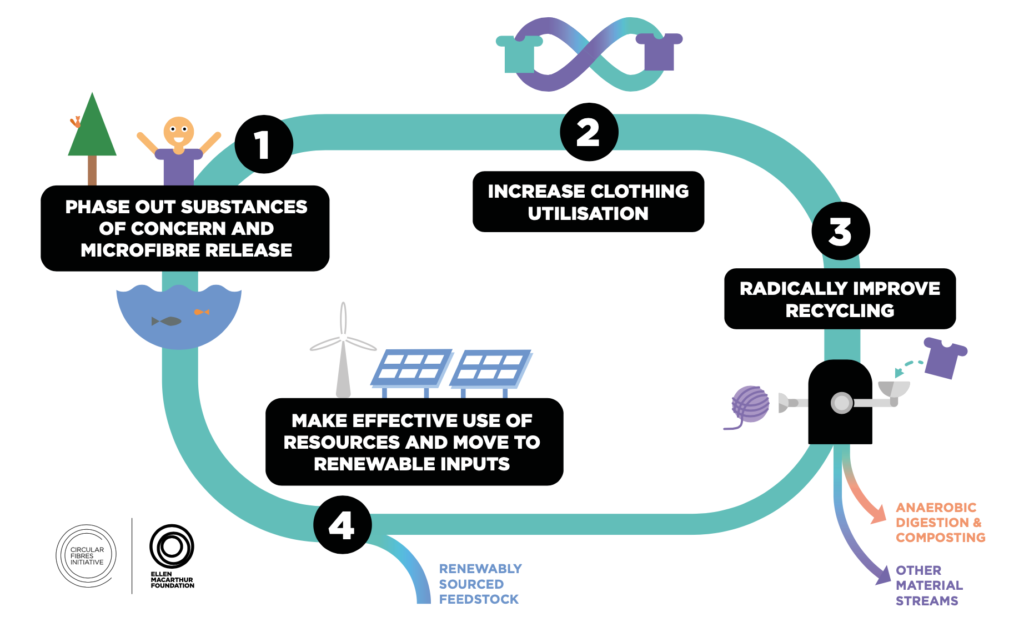
Based on data from the MacArthur Foundation, the EU Commission aims to establish a virtuous circle within the textile industry, transforming it into a more sustainable and environmentally-friendly producer of goods. Integrating material circularity indicators and lifecycle indicators, such as the Product Environmental Footprint (PEF), could offer a promising solution to address the challenges faced by the industry today.
This approach holds the potential to foster a healthier and more sustainable future for textile manufacturing.
The final report should be out by the end of the year.
We’ll keep you posted!
Tags: European Environmental Agency, life cycle assessment, MacArthur Foundation, Product Environmental Footprint, textile recycle


